🎉 Building the foundation of a scalable multi-tenant SaaS application just got easier — thanks to Clerk Auth and its Organization feature. Here’s how I stitched together the building blocks for my Metadata Management Platform — powered by Clerk, React, and ShadCN UI.
🏗️ The Stack I Used
- 🔐 Clerk Auth — for secure user authentication and team-based organization management.
- ⚛️ React + ShadCN UI — to build fast, responsive UI components.
- 🧠 Node.js (Backend) — to enforce tenant-aware APIs.
- 🧱 PostgreSQL — with row-level multi-tenancy structure.
👥 What Is Clerk’s Organization Feature?
Clerk lets users not just sign in, but also create or join organizations (teams). That means one user can belong to multiple organizations — each with isolated context. Perfect for multi-tenant apps!
🔧 Components I Built Using Clerk Hooks
Here’s how I used Clerk’s built-in hooks to build the UI:
✅ useUser() – to get user info
✅ useOrganization() – to get the current org context
✅ useOrganizationList() – to show all orgs user belongs to
✅ useCreateOrganization() – to create new orgs
✅ useOrganizationSwitcher() – for a slick UI switcher
const { organization } = useOrganization();
console.log("Current org ID", organization?.id);
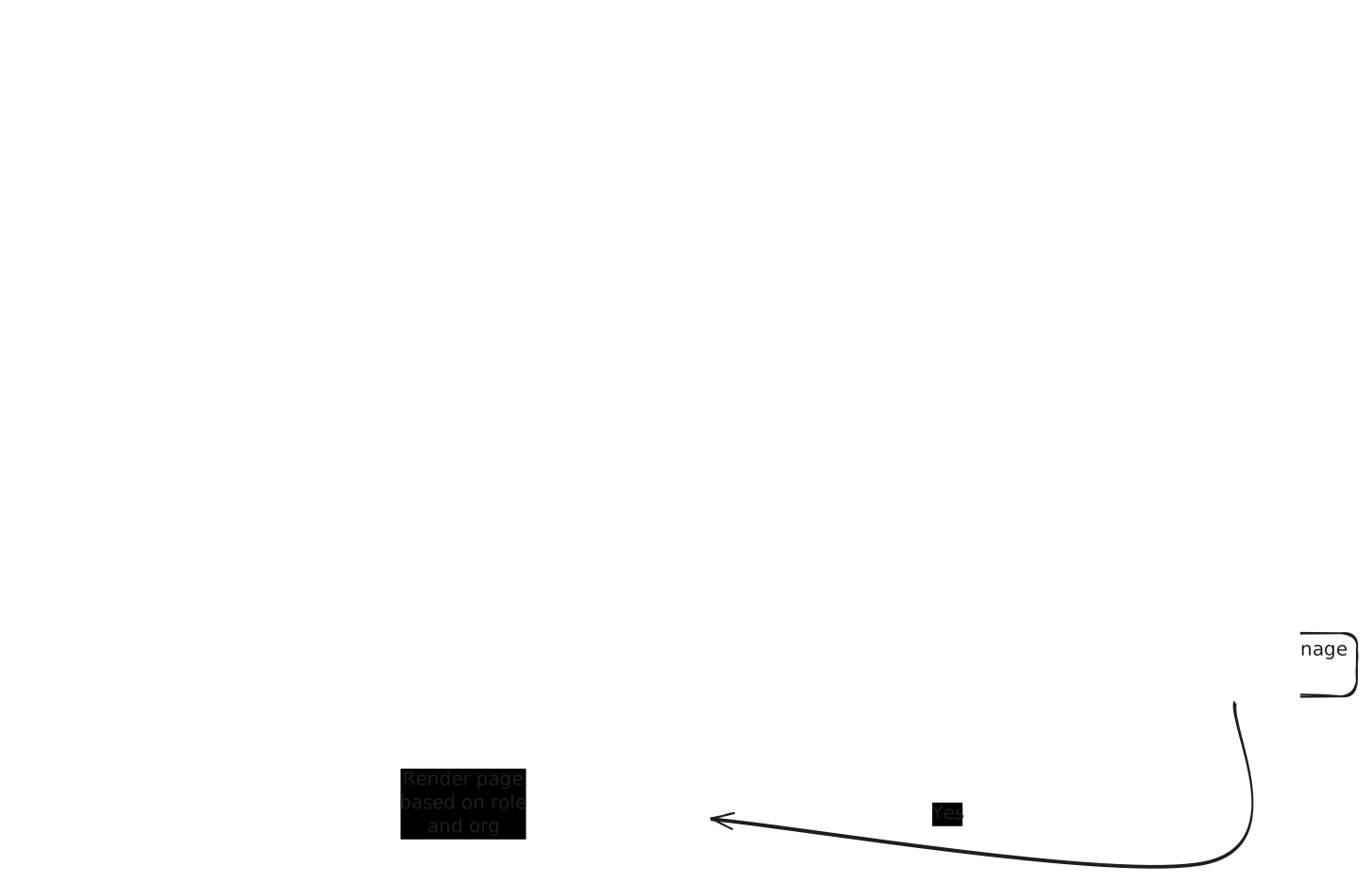
🖼️ Application Flow Diagram
📌 Below is the architecture flow diagram showing how auth, org context, and UI connect.
👉
🎞️ Demo Walkthrough GIF
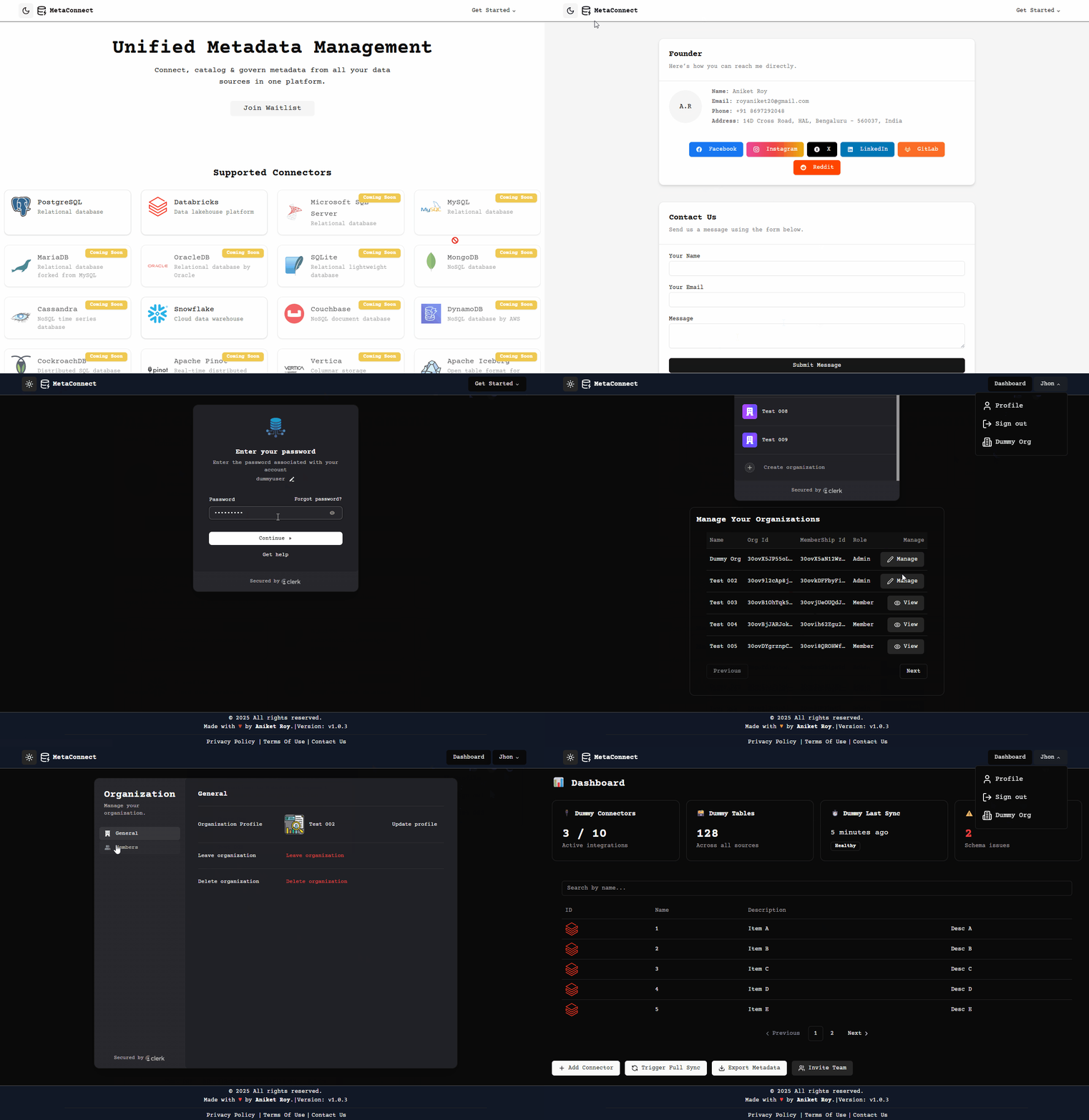
📌 Here’s a quick GIF showing how switching between organizations instantly updates the metadata views.
👉 Embed your GIF below:
💡 Lessons Learned
- **Clerk’s organization hooks are intuitive.**Hooks like
useOrganization,useUser, anduseOrganizationSwitchermake accessing auth and tenant context a breeze. - **Tenant context is preserved automatically.**Once a user switches to an org, that context sticks — even across routes and refreshes — without needing boilerplate.
- **Backend enforcement is still needed.**Clerk helps you on the client side, but backend APIs must still verify tokens and org IDs to prevent cross-tenant access.
- **JWT-based validation is solid.**Clerk’s tokens include org context, making it easy to extract the active org server-side and enforce authorization.
- **UI feels seamless.**The
useOrganizationSwitcher()component works out-of-the-box and improves UX dramatically. - Perfect launchpad for RBAC and billing. Organizations allow me to easily define admin/viewer roles, team-based access, and future integration with billing platforms like Stripe.
This experiment validated my decision to use Clerk as the auth backbone for a multi-tenant platform. Stay tuned for the next post on how I wired roles and permissions into this setup.
Built with ❤️ by Aniket Roy
🚀 Passionate about building scalable, clean, and developer-friendly SaaS platforms.
🛠️ Tech stack: React • Node.js • Tailwind CSS • Clerk • PostgreSQL • Redis